
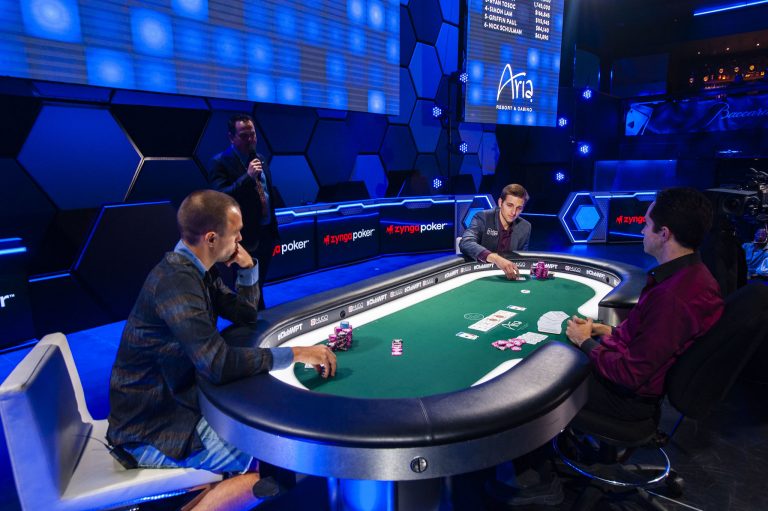


پوکر is more than just a card game—it’s a game of skill, psychology, and smart decision-making. While luck can influence short-term results, players who understand strategy and control their gameplay consistently perform better over time. If you want to truly learn poker, you need more than just knowing the rules—you need a structured approach.
In this guide, we’ll walk you through a different perspective on learning poker, focusing on mindset, gameplay flow, and practical improvement techniques.
What Makes Poker Different from Other Casino Games?
Unlike most casino games where you play against the house, poker is played against other players. This means your success depends on how well you make decisions compared to your opponents.
To explore more about poker, you should understand that it’s a long-term skill-based game rather than a quick win opportunity.
Understanding the Core of Poker
Decision-Making Over Luck
In poker, every action you take matters:
- When to bet
- When to fold
- When to bluff
Good players focus on making the right decisions, not just winning individual hands.
Thinking in the Long Term
You might lose a strong hand or win with a weak one, but over time, correct decisions lead to consistent success.
A Different Way to Learn Poker
Step 1: Focus on Fewer Hands
Instead of playing many hands, play only strong starting hands. This reduces risk and helps you learn faster.
Step 2: Observe Before Acting
Pay attention to how other players behave:
- Do they bet aggressively?
- Do they fold often?
- Do they bluff frequently?
Observation is one of the most powerful tools in poker.
Step 3: Control the Pot Size
- Keep the pot small when your hand is weak
- Build the pot when you have a strong hand
This helps you manage risk and maximize profits.
Essential Poker Concepts
Position Is Power
Your position at the table determines how much information you have.
- Early position: play carefully
- Late position: play more aggressively
Value Betting
Bet when you believe you have the best hand to extract value from opponents.
Bluffing with Purpose
Bluffing should be logical, not random. Always consider:
- Your table image
- Your opponent’s behavior
- The situation of the hand
Common Beginner Traps
Playing Emotionally
Many players let emotions control their decisions, which leads to mistakes.
Overvaluing Weak Hands
Not every pair or draw is worth playing aggressively.
Ignoring Opponents
Poker is not just about your cards—it’s about how others play.
How to Practice Poker Effectively
Use Low-Stakes Games
Start with small bets to reduce pressure and focus on learning.
Review Your Sessions
After playing, analyze your decisions:
- Did you play too many hands?
- Did you bluff at the wrong time?
Learn from Mistakes
Every mistake is an opportunity to improve your strategy.
Building a Winning Mindset
Stay Patient
Poker rewards patience more than aggression.
Accept Variance
Even the best players lose sometimes. Focus on long-term improvement.
Stay Disciplined
Stick to your strategy and avoid impulsive decisions.
Online Poker vs Live Poker
Online Poker
- Faster pace
- More hands per hour
- Easier to practice
Live Poker
- Real interaction
- Ability to read physical tells
- Slower but more strategic
Both formats are valuable for improving different skills.
Quick Beginner Strategy Plan
- Play tight (fewer hands)
- Play aggressive with strong hands
- Avoid unnecessary risks
- Focus on learning, not just winning
Conclusion
Learning poker is a journey that requires patience, practice, and the right mindset. It’s not about winning every hand—it’s about making better decisions over time.
By focusing on strategy, understanding your opponents, and staying disciplined, you can gradually improve your skills and enjoy the game at a much higher level. Poker is one of the few games where knowledge truly gives you an edge—so the more you learn, the better you become.
Reference: بت فوروارد